RobinAI Education Radar

知更鸟 · AI 教育动态站

Weekly

Understand the week in AI education and what it means for your decisions.

Published every Monday9 issues
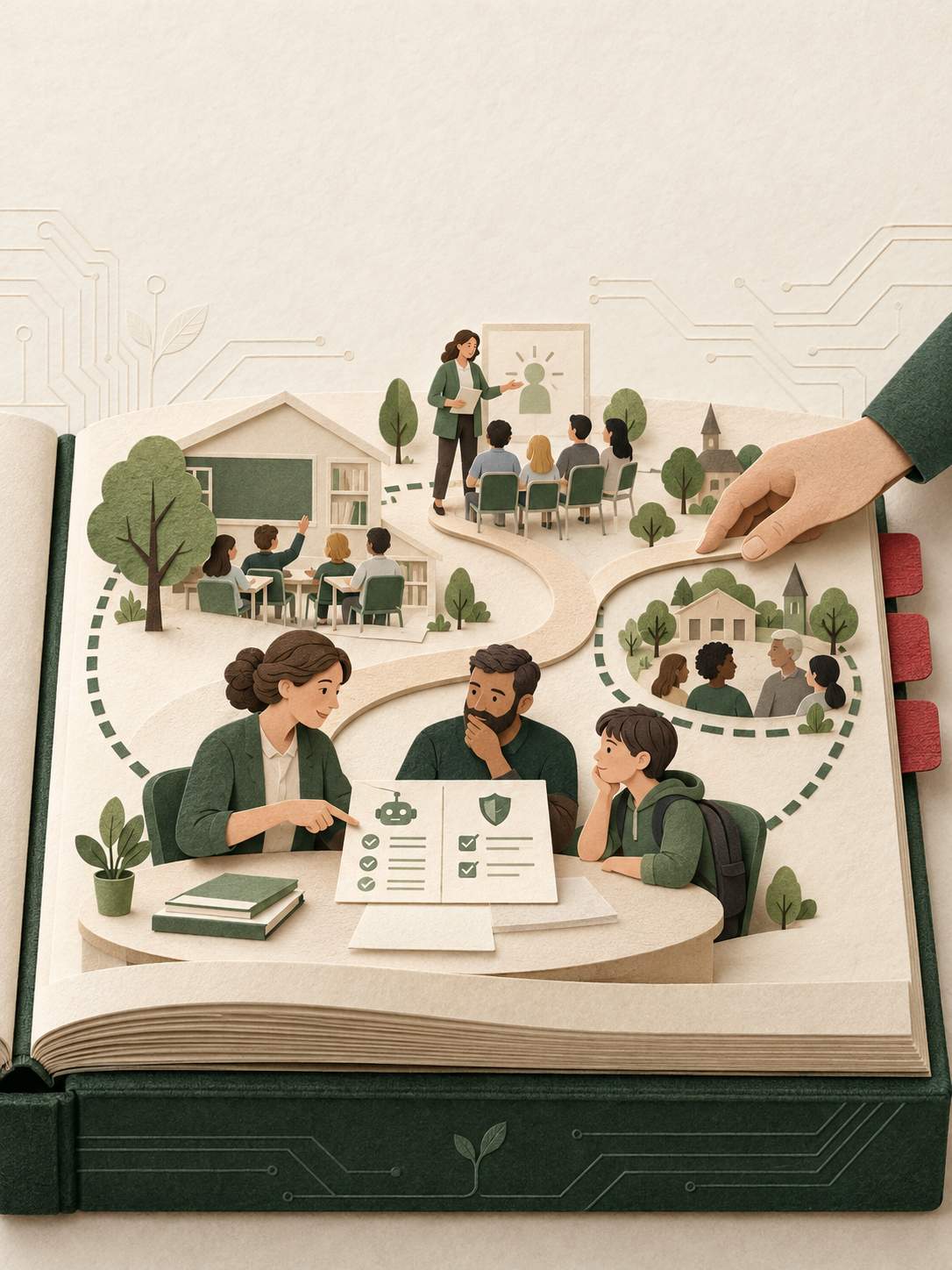
A paper-cut school connects policy boundaries, teacher learning, and a classroom task along a green path
Robin original weekly2026 Issue 09

Schools Are Writing AI Boundaries. What Can Stay?

The more specific the rules, the more a product must turn age, task, teacher responsibility, and exit into an executable classroom workflow.

School policies are specifying which grades and assignments may use AI, while training organizations and universities are placing AI literacy inside teacher communities and STEM education. As boundaries become concrete, products must serve an allowed, supervised task with a named person responsible for it.

Read the full issue

Past issues

Newest first

How we write each issue

The weekly supports product, business, and education decisions. Each issue reconstructs the important events, develops the questions that merit closer analysis, and explains why participants act, which conditions have changed, and who stands to benefit or bear additional costs.

We distinguish facts, participants’ claims, and our interpretation; examine the conditions and costs of different choices; and identify observations that could change our judgment. Past issues retain their original reporting window and carry a separate date for substantive revisions.

  1. Read the original source first

    Confirm who did what and when, without turning a plan into a result.

  2. Put it in context

    Establish the earlier position, participants’ incentives and constraints, and what changed this week.

  3. Explain the effect

    Explain the consequences for procurement, products, teaching, and business choices, including the costs of each option.

  4. State what remains unknown

    State where a judgment applies, consider competing explanations, and identify evidence that would change it.

Reading access

Issue 09 remains fully open

The weekly will continue as paid content. All nine current issues are open in full so readers can decide whether this approach to source verification and industry analysis is worth following over time. Once the paid plan is finalized, its price, benefits, and access to past issues will be explained here.